
Guide to Rubber Temperature Ranges by Material
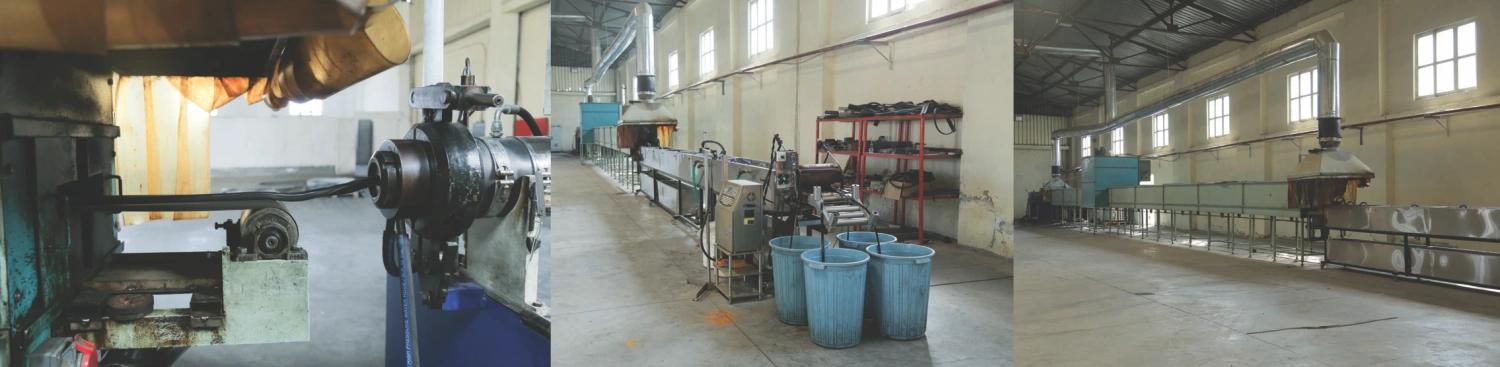
Each type of rubber has its own operating temperature range. Beyond these limits the material either hardens and cracks or softens and loses its shape. For a correct choice it is important to know both the minimum and maximum temperature. This guide compares the temperature limits of the main elastomers.
Why temperature matters so much
At low temperature rubber loses elasticity and becomes brittle (glass transition). At high temperature the polymer chains break down, the material softens and takes a permanent set. Both cases lead to leaks and failure.
Range by material
| Material | Minimum | Maximum |
|---|---|---|
| EPDM | -50 °C | +150 °C |
| NBR | -30 °C | +120 °C |
| Silicone | -60 °C | +230 °C |
| Viton (FKM) | -20 °C | +250 °C |
| Natural rubber | -50 °C | +80 °C |
Note: these are general ranges; the compound formulation and short-term peak loads can change the result.
Choice for cold conditions
If very low temperature is required, silicone and EPDM are the best choices. Silicone keeps its elasticity down to -60 °C, which makes it excellent for refrigeration and outdoor applications. More: silicone rubber applications.
Choice for hot conditions
At a continuous temperature above +150 °C, Viton and silicone come to the fore. If there is high heat alongside aggressive chemicals, Viton (FKM) is the most reliable choice.
For a comparative choice
To compare EPDM, NBR and silicone together, see our article comparison of EPDM, NBR and silicone. The right material is matched not only by temperature but also by chemical environment and mechanical load.
Practical tips
- Consider not only the continuous operating temperature but also peak values.
- Check brittleness at cold start.
- Temperature variation (cyclic heating and cooling) fatigues the material faster.
At NUR KAUÇUK we prepare compounds for the required temperature range. Review our products or contact us for help with selection.